


Frameless shower doors
3D configurator for frameless shower door manufacturers
Layout, opening size, glass, hinges and hardware finish, priced live. Wide openings switch to a door and panel.
Configurators, quoting, dealer portals and the platform around them. Find your industry, the capability you need, or the decision in front of you.
What we have built for your kind of product.
Layout, opening size, glass, hinges and hardware finish, priced live. Wide openings switch to a door and panel.
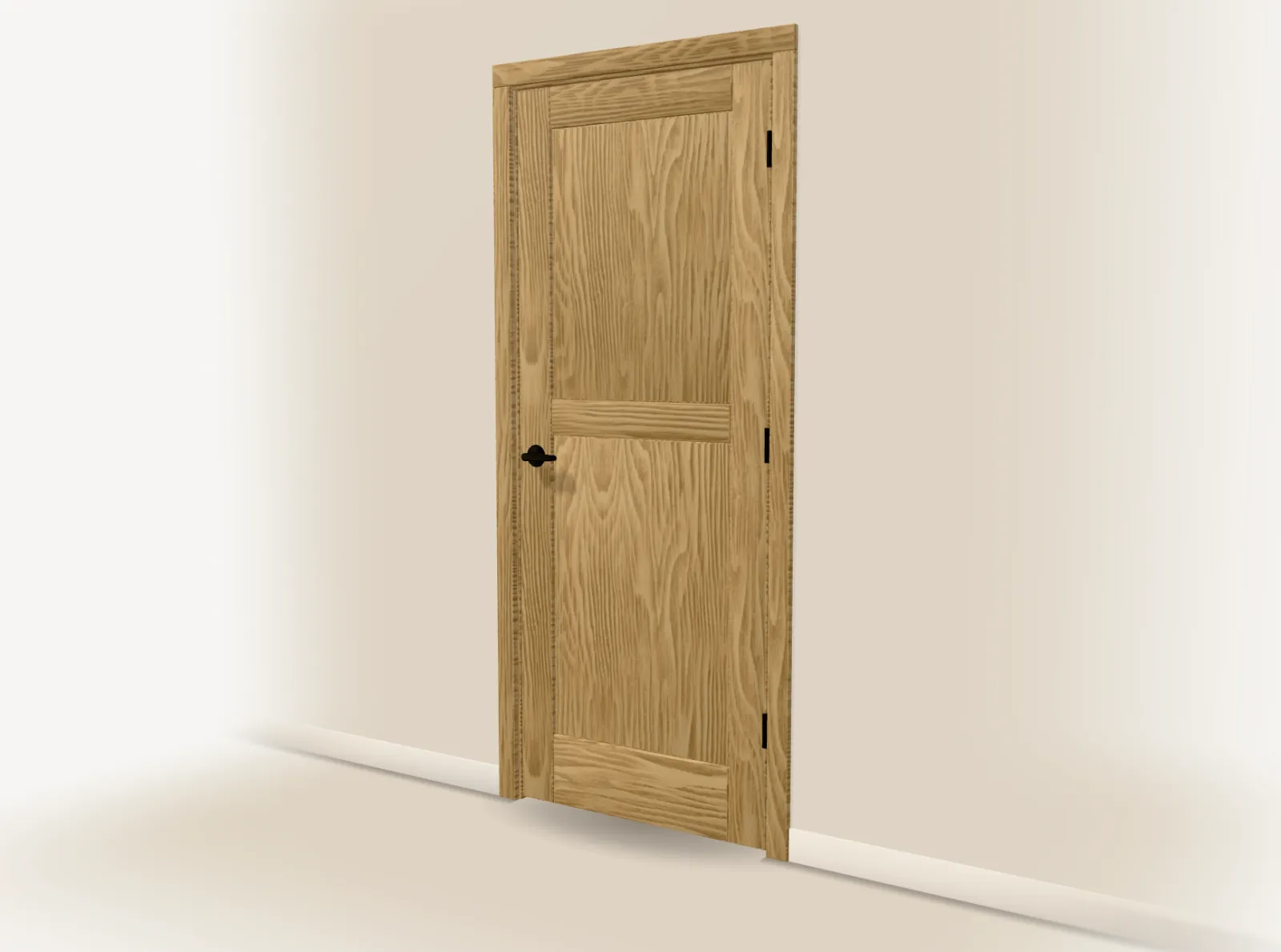
Panel style, species, size, glass lite and hardware, priced live. A 5-panel door cannot take a glass lite.
Table size, top shape and edge, base and finish, priced live. Under 72 in, the trestle base is blocked.
Hinged or sliding doors, door style, finish, hardware and lighting, priced live. The door count follows the width.
Hole pattern and size, metal and finish, sheet size, mounting and backlight, priced live. Tall panels on standoffs or posts move to a heavier gauge.
Size and clearance, mounting, louver drive, zip screens, lighting and powder coat, priced live. A crank roof grays out the zip screens.
Floor height, risers, width, stair type, stringer, treads and balustrade, priced live. The riser count follows the floor-to-floor height.
Width, depth, cladding, roof, front doors, windows and deck, priced live. A narrow front steps bifold doors down to sliding or French.
Room shape, base, wall and tall units, island, fronts, worktop and handles, with a running total. A unit stops before it runs into another unit or the door, and wall units stay off the window.
Artwork, print size, profile, finish, mat and glazing, priced live. A canvas floater takes no mat or glazing.
Homologation, design, four color zones, sponsor logos, the belt name, flag and blood group, size or made to measure, priced live. FIA suits must carry epaulettes, so only a karting suit can drop them.
A second brand should not mean a second everything. One platform carries several storefronts, each with its own catalog, pricing and identity, and a new brand launches on what you already run.
A brace is specified by a clinician and manufactured to one patient. The clinician captures that specification in a configurator, and it reaches the printer without retyping.
The parts of the sales channel, and the technology underneath them.
A configurator that does not reach your CRM, your ERP or your fulfillment partner has only moved the re-keying somewhere else. We wire it into the systems that already run the business.
Your store already sells. What it cannot do is let a buyer design a made-to-order product and see the price change as they go. We add that to the product pages you already have.
Architects do not buy from a cart. They place your product in a model, and a PDF does not go into a model.
Your dealers reorder constantly and should not need your sales team to do it. They need their own login, their own pricing, and a configurator that only offers what your plant can build.
Most configure-to-order sales produce a BOM that has never existed before, so nobody can write it in advance. We model the rules that derive it, and the configurator writes the bill of materials for every order.
Configure, price, quote. For a made-to-order manufacturer that means the buyer does all three in the browser, and what comes out is an order rather than a PDF.
ShapeDiver renders your parametric geometry in a browser. The accounts, pricing, checkout, exports and admin around it are still a product someone has to build.
A 3D scene is only a demo until it can price, take payment and send the order to production. Your buyers configure in 3D, see the price, and the order reaches production as a full spec.
Cost, choosing a partner, and custom versus off-the-shelf.
You need a number and a date you can take to a board. Here are our prices, what each covers, and what is outside them.
A subscription configurator is faster to start and fine for a catalog of fixed products. The question is whether your rules, your pricing and your portal are the product.
Every proposal on your desk claims the same thing. Here is who builds them, the four questions that separate the builders, and where we stand on each.
Other products we have shipped, outside made-to-order manufacturing.
Designing a custom backdrop used to need CAD software and someone trained to use it. Now your customers design it themselves in the browser, inside a subscription business that runs on its own.
Print on demand has a trust problem: the buyer cannot see what will arrive. On your storefront the preview and the print file come out of the same pipeline, so what they see is what arrives.
Twenty minutes with the founder: we look at your product and your catalog and tell you where a build would start.